Pick up the same album twice in a record shop and you'll often find two different records. Same artwork, same songs, but one says Island and the other says A&M, one has a laminated sleeve and the other is still in its American shrinkwrap, and the catalogue numbers have nothing in common. That's because most big albums from the 1960s to the 1980s were pressed separately in each country, by different companies, on different machines, often from different tapes.
This guide covers the three you'll meet most in a UK shop: UK pressings, US pressings and Japanese pressings. How to tell them apart, what each one tends to come with, and real examples from our crates in Mansfield, including a few albums we've got in both UK and US versions so you can compare them side by side.
Every record linked below is a real copy in stock as we write, hand-graded by us and photographed as the exact copy you'll get. Grades are vinyl/sleeve.
Start with the catalogue number
The quickest test is the catalogue number on the spine, the back of the sleeve and the label. Catalogue numbers are territorial: the same album usually got one number in the UK, another in the US and another again in Japan. The guide at VinylAI puts it simply: work out which country's number you're holding, because that tells you which release to compare it with on Discogs.
You can see it in our own stock:
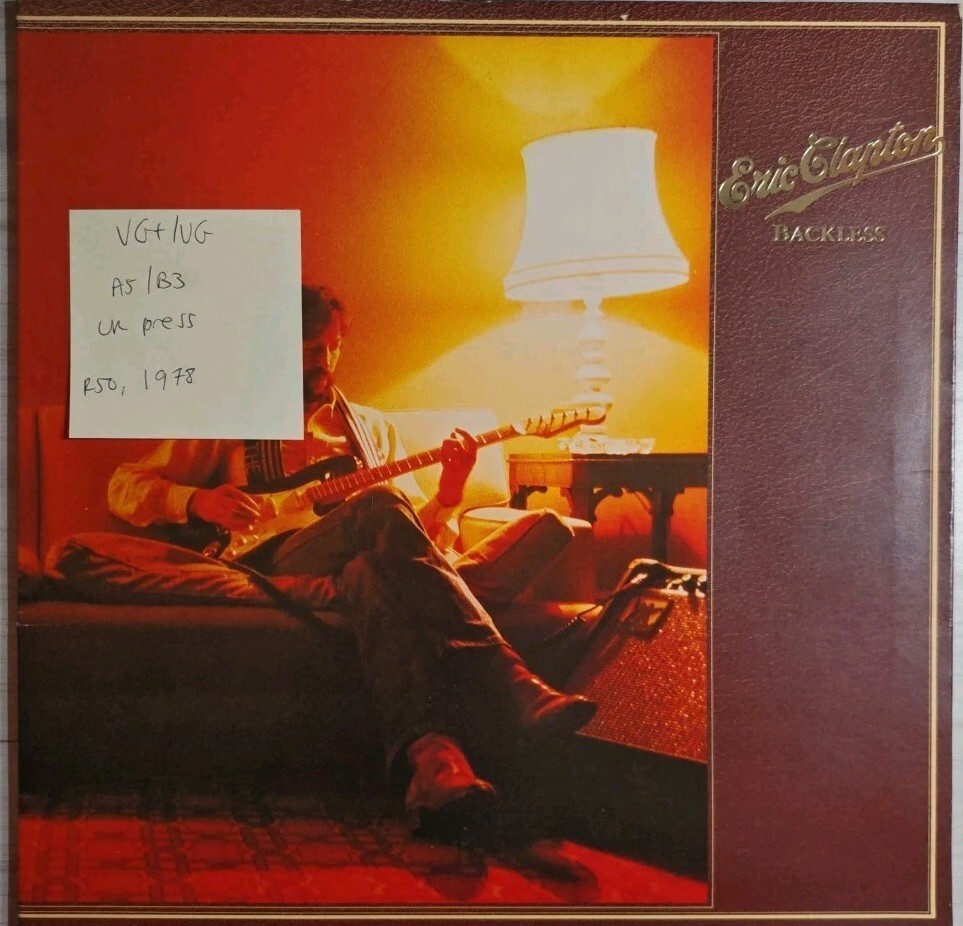
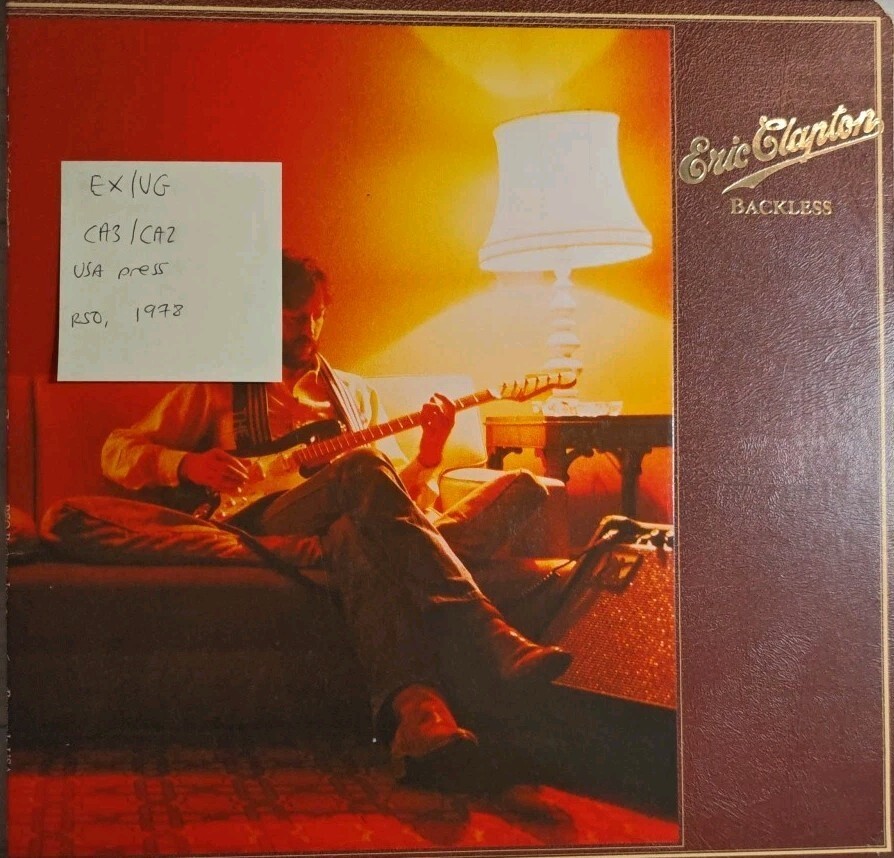
- Eric Clapton, Backless (1978). The UK copy is RSO RSD 5001; the US copy is RSO RS-1-3039. Same label name, completely different numbering.
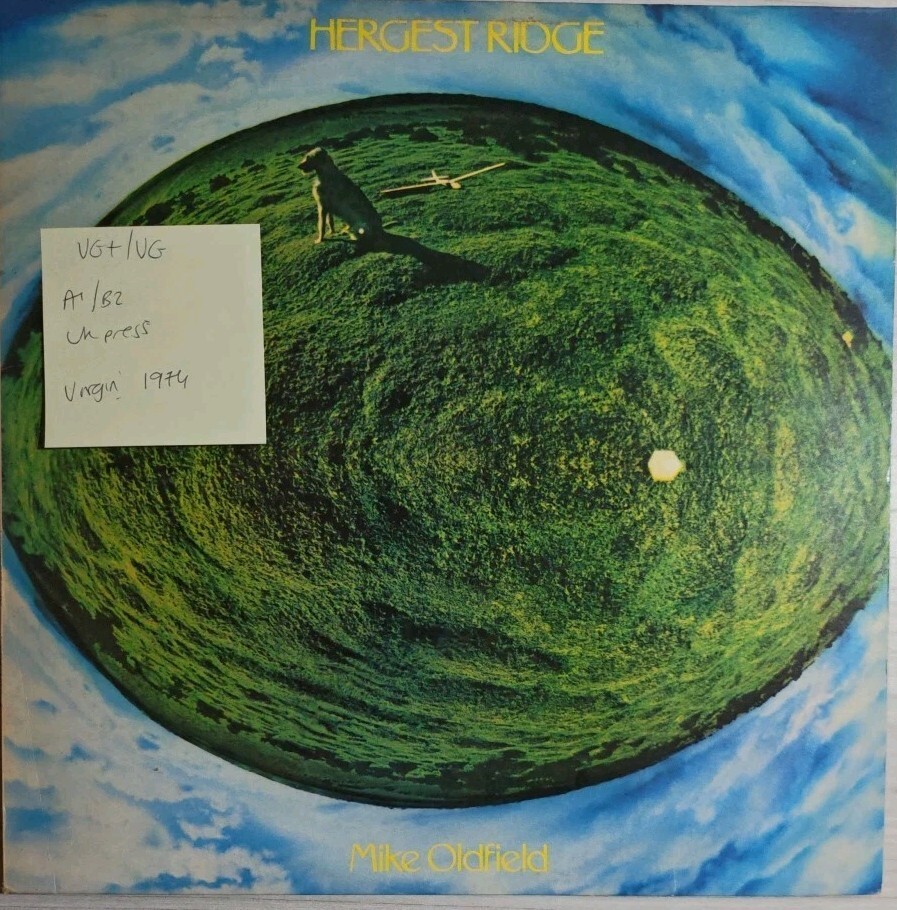
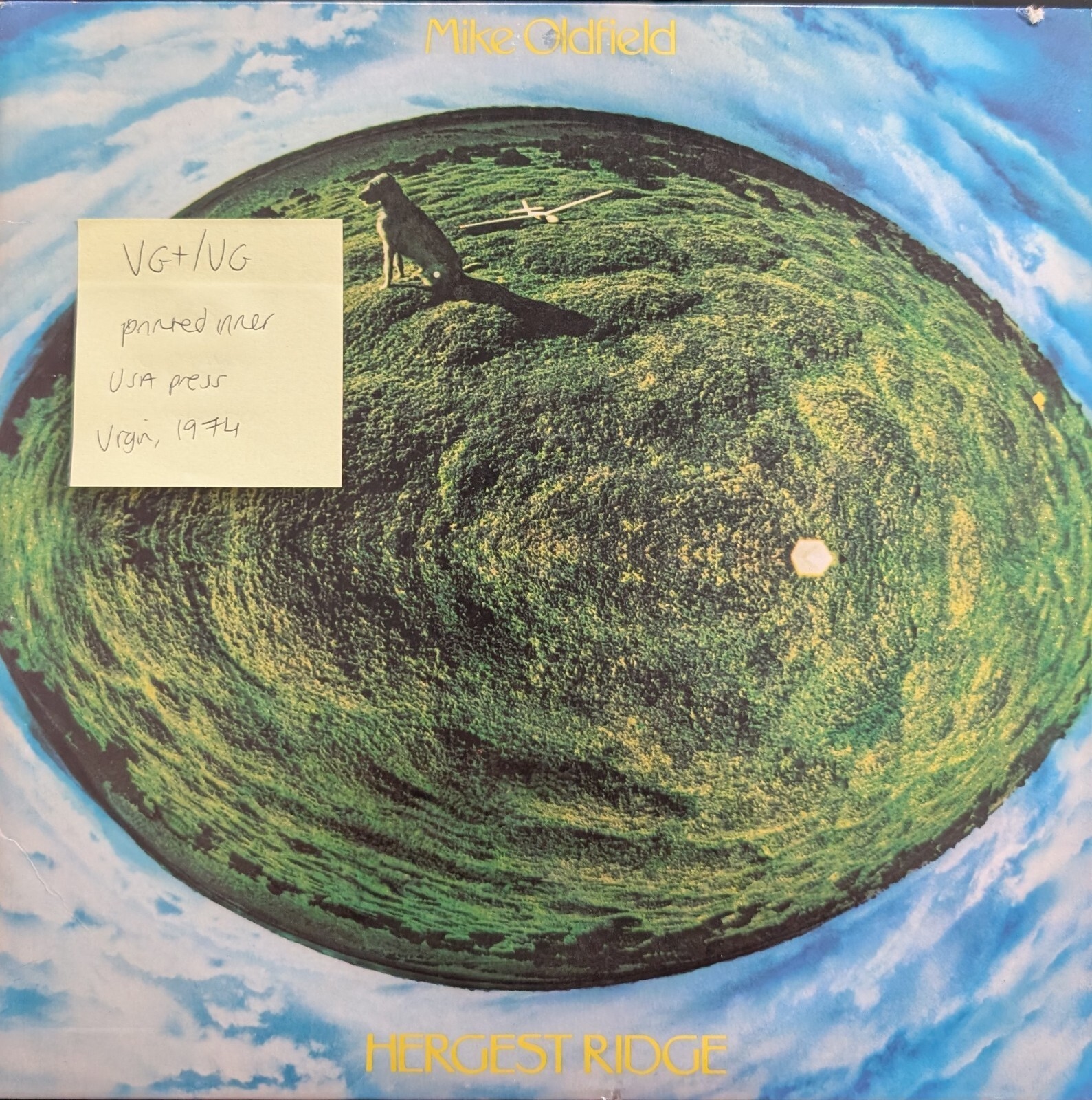
- Mike Oldfield, Hergest Ridge (1974). UK Virgin is V 2013; the American Virgin issue is VR 13-109.
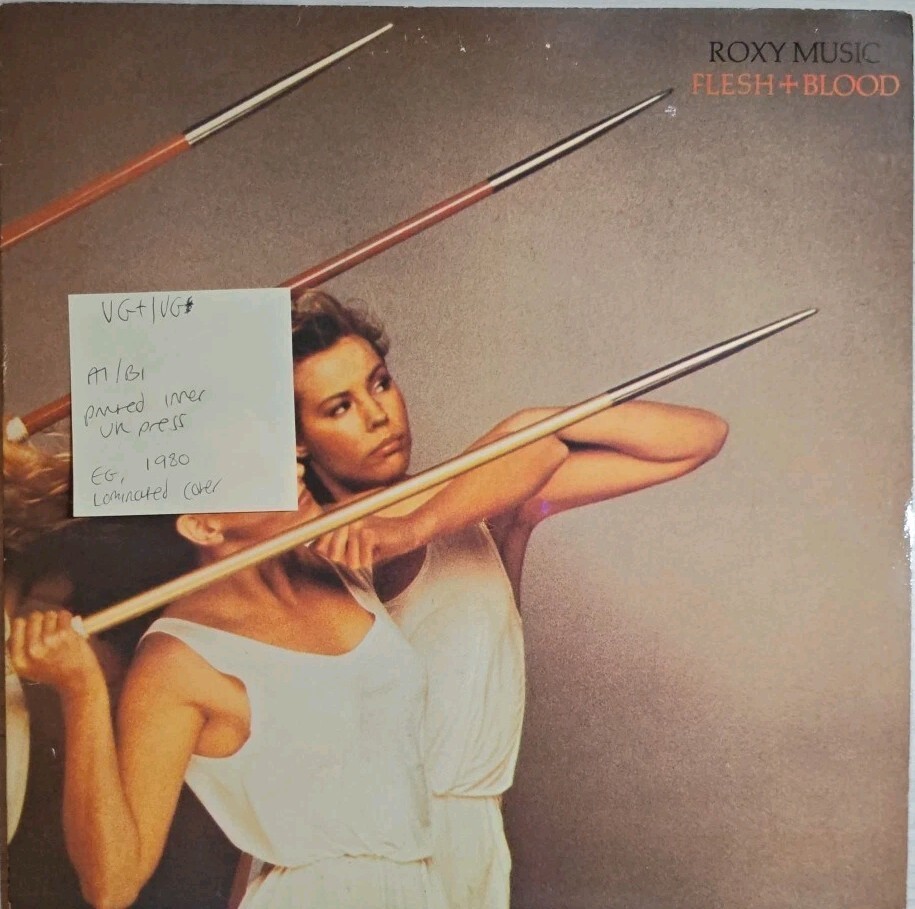
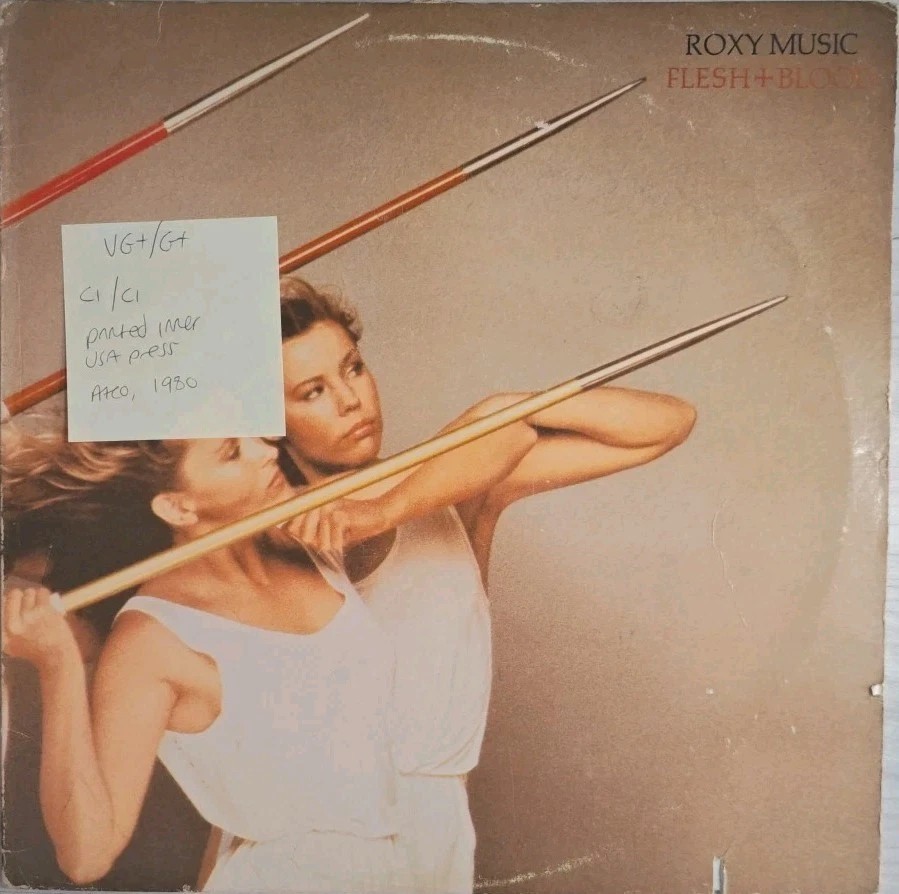
- Roxy Music, Flesh + Blood (1980). In the UK it's on EG/Polydor as POLH 002; in America it came out on ATCO as SD 32-102.
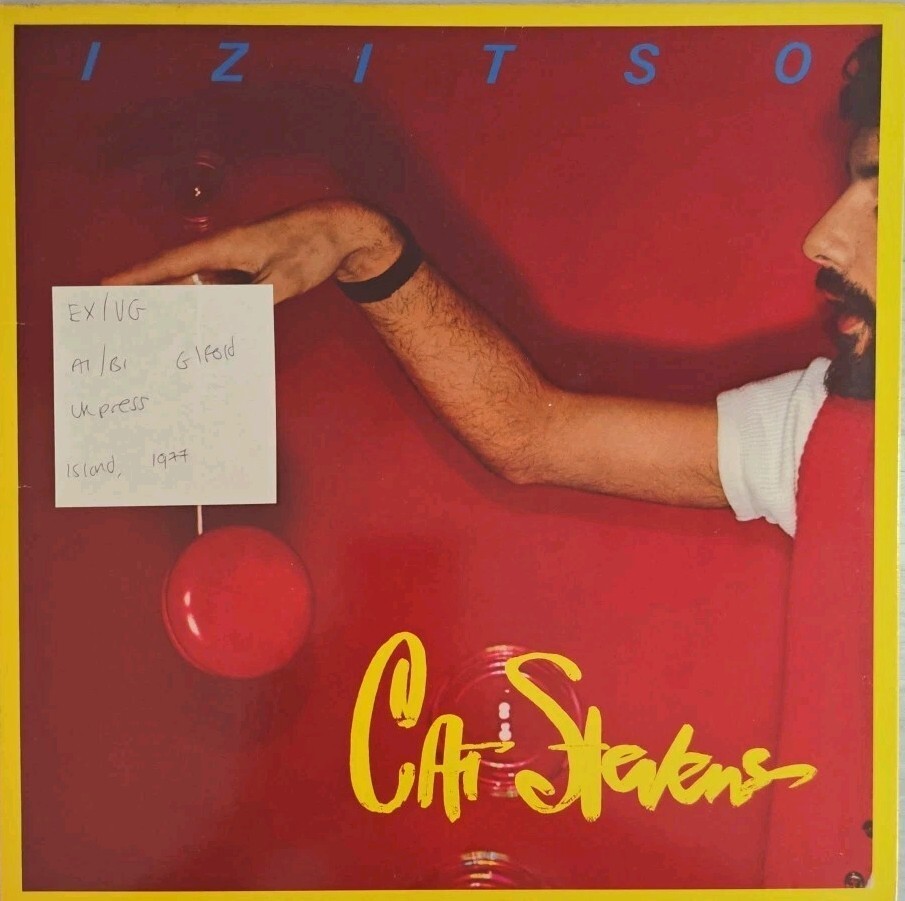
Sometimes the label itself changes. In Britain, Cat Stevens was on Island, so the UK Izitso is ILPS 9451. In America he was on A&M, so the US copy is SP-4702 with an A&M label.
- Cat Stevens – Izitso, UK pressing (Island ILPS 9451), gatefold, EX/VG – £5
- Cat Stevens – Izitso, US pressing (A&M SP-4702), in its opened shrinkwrap, VG+/VG – £5· Sold
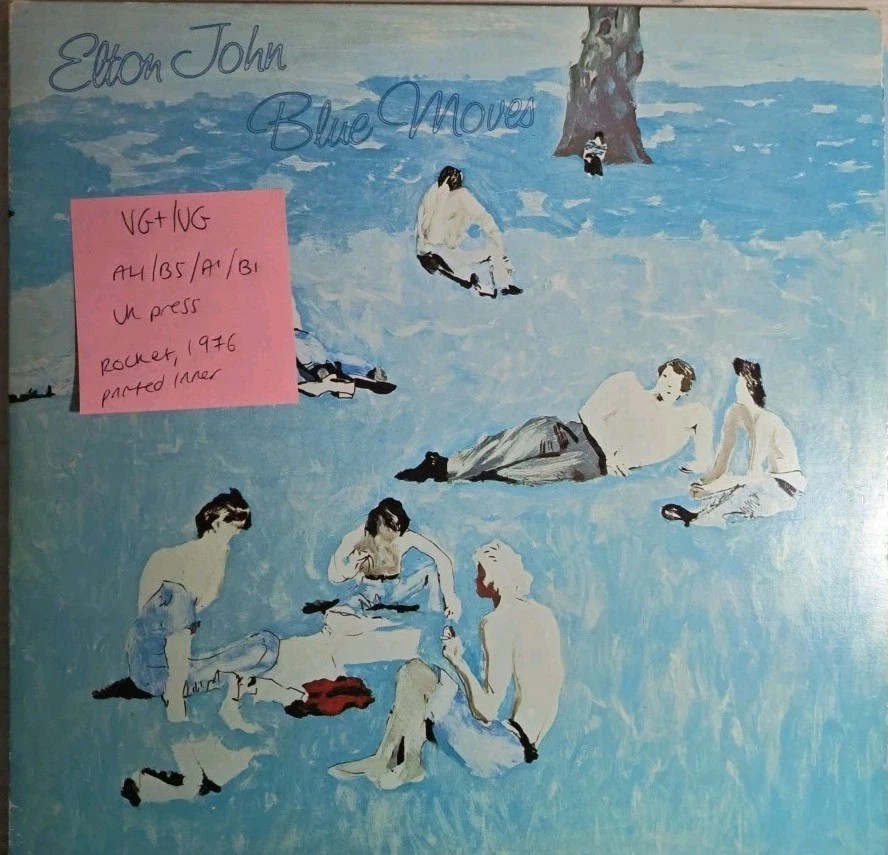
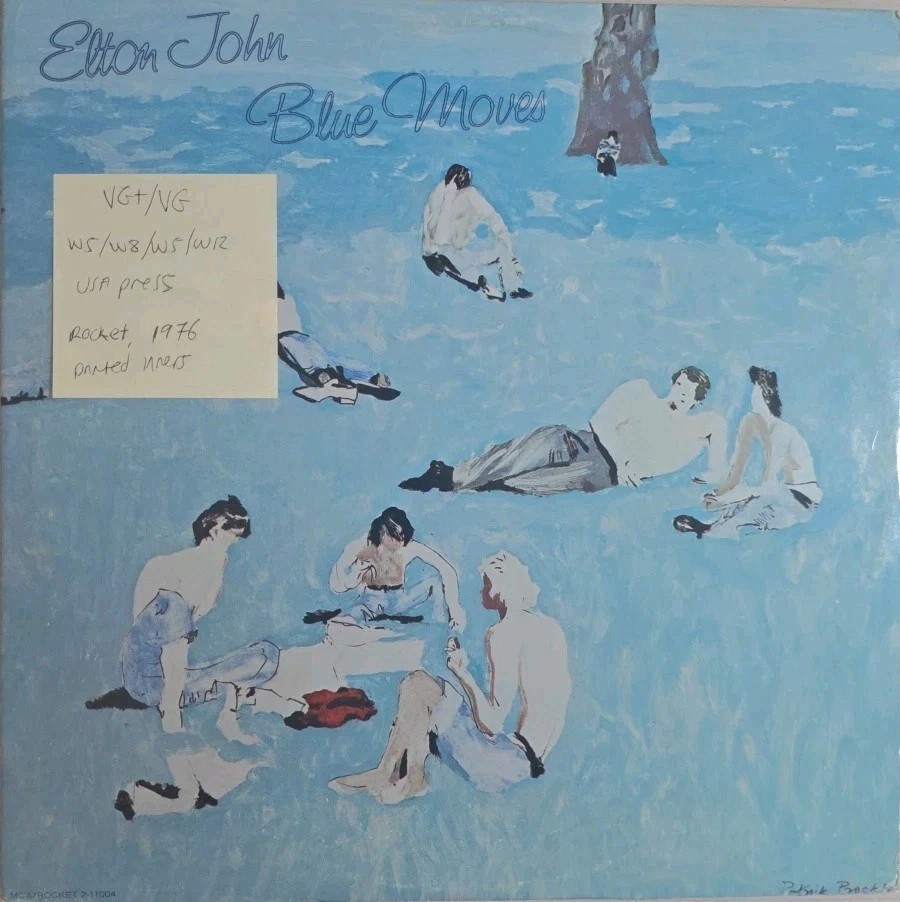
Elton John's Blue Moves is the same story: Rocket ROSP 1 in the UK, and a different number (2-11004) on the American issue.
- Elton John – Blue Moves, UK 2LP (Rocket ROSP 1), printed inner, VG+/VG – £5
- Elton John – Blue Moves, US 2LP (2-11004), printed inner, VG+/VG – £5
Read the label
Once you've got the number, look at the small print on the label:
- "Made in England" or "Made in Gt. Britain" is the obvious UK tell. Rights-society marks help too: MCPS and PRS point to a British issue.
- US labels usually name an American manufacturer or distributor ("Manufactured by", "Distributed by") with a US address, and they don't carry the MCPS mark.
- Japanese labels usually carry JASRAC, the Japanese rights society, which VinylAI rates as one of the most reliable country tells there is.
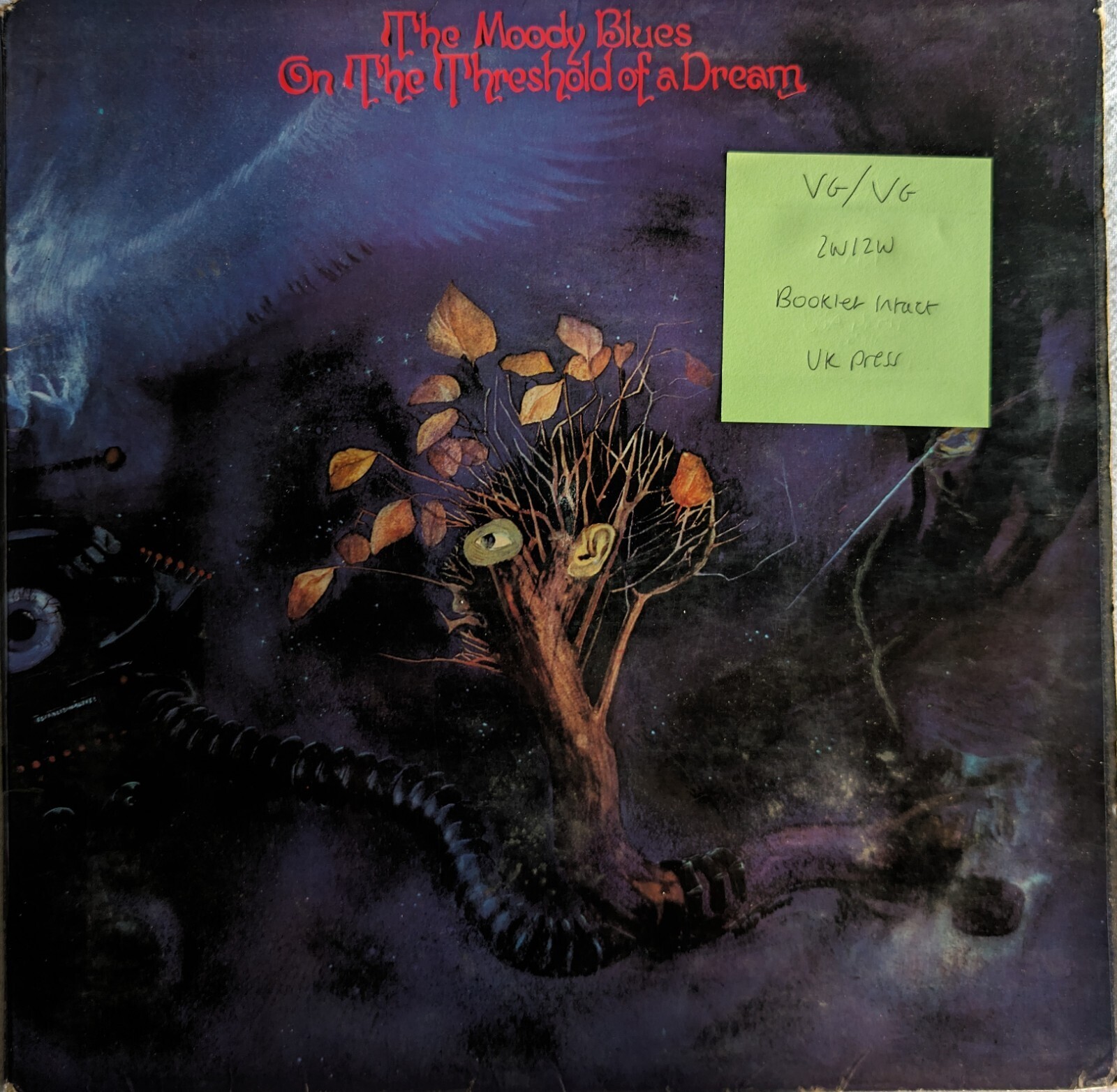
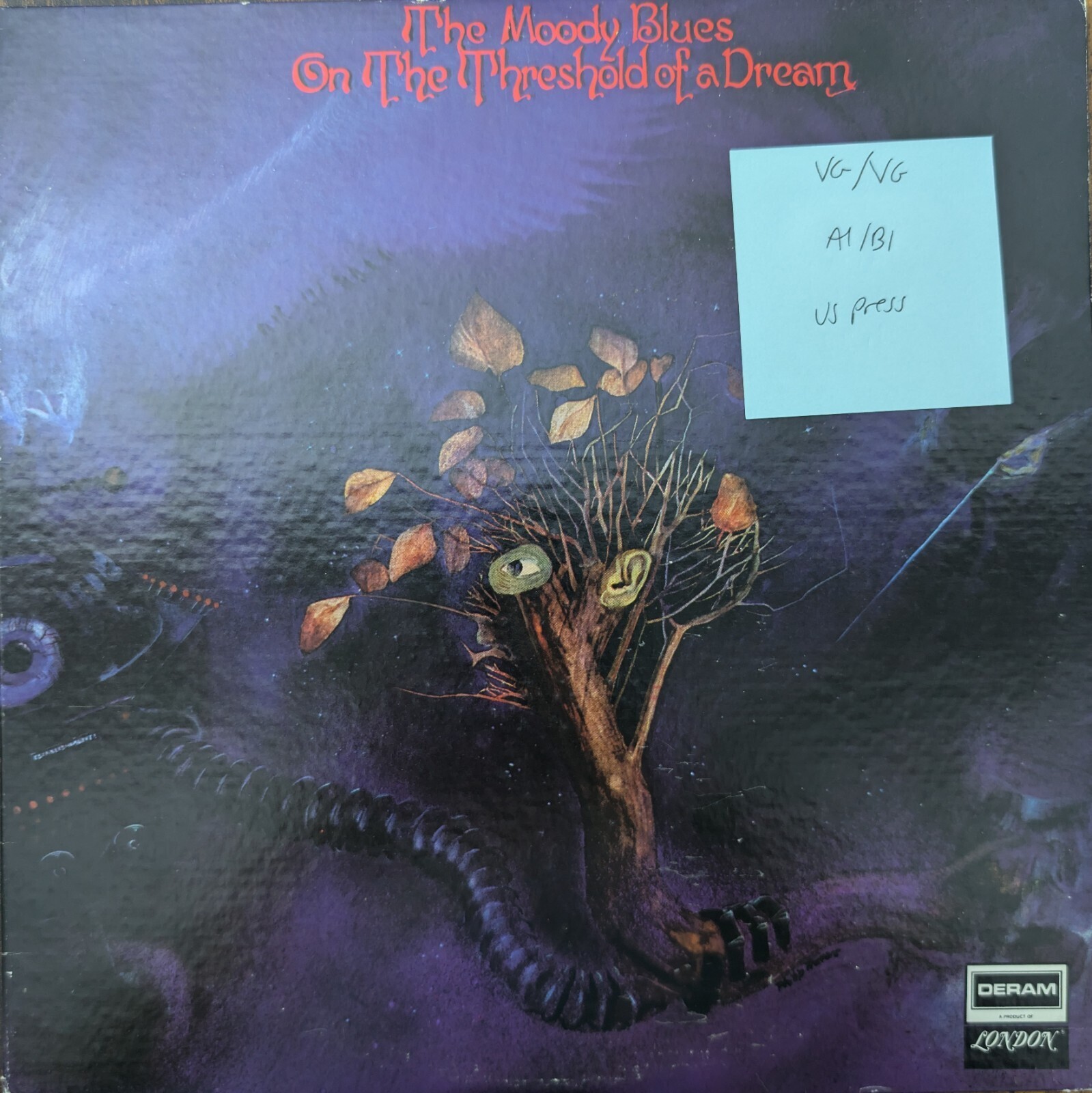
Prefixes can tell you more than the country. On UK Deram, SML was the stereo series and DML the mono one, which is why our UK copies of the Moody Blues' On The Threshold Of A Dream come in both. The American Deram issue used a completely different DES 18000 series.
- Moody Blues – On The Threshold Of A Dream, UK stereo (Deram SML 1035), booklet intact, VG/VG – £5
- Moody Blues – On The Threshold Of A Dream, US pressing (Deram DES 18025), VG/VG – £5
UK labels also had their own looks that collectors use for dating. Island's pink-rim label is one: our UK Trilogy by Emerson, Lake & Palmer is a 1972 Island pink-rim copy, ILPS 9186, in its gatefold.
Check the sleeve
Sleeves were usually printed in the country they were sold in, so they give you clues as well:
- UK sleeves often have the British label address and printer's credit along the bottom of the back. Many 1960s and 1970s UK sleeves are laminated on the front.
- US sleeves often turn up still in their original shrinkwrap, sometimes with a hype sticker. US copies are also the ones most likely to carry a "cut-out" mark, such as a drilled hole, a clipped corner or a saw cut through the sleeve edge, which American shops used to mark down deleted stock.
- Japanese sleeves tend to come with extras: an obi (the paper strip wrapped around the spine, printed in Japanese with the price and catalogue number) and inserts such as lyric sheets, translations and liner notes.
Look in the runout groove
When the sleeve and label still leave you guessing, the dead wax (the smooth band between the last track and the label) usually settles it. Both of our sources agree this is the strongest evidence you've got. Matrix numbers, stamped or hand-etched, tell you which cut and which plant made the record, and UK, US and Japanese plants each had their own habits. We note the matrix on our listings where we can read it, so you can check the copy you're buying.
Japanese pressings: what to look for
Japanese pressings have a reputation for quiet, carefully made vinyl and for very complete packaging, which is why collectors look for them. As the DiscSnap guide to Japanese pressings says, start with the catalogue number and check it matches in three places: the sleeve or spine, the labels, and the obi or insert. If they don't match, the record and its packaging may have come from different copies.
Japanese catalogue numbers have their own shapes. Bob Dylan's At Budokan was recorded in Tokyo in 1978 and first came out in Japan, and our copy is the Japanese double LP, 40AP 1100-1, with its booklet.
Another Budokan record shows the UK-vs-Japan difference neatly. Michael Schenker Group's One Night At Budokan came out in Britain on Chrysalis, and in Japan with a different number and a lyric sheet:
- MSG – One Night At Budokan, Japanese pressing (WWS-67159), lyric sheet, VG/VG – £5
- MSG – One Night At Budokan, UK 2LP (Chrysalis CTY 1375), gatefold, VG/G+ – £5
And two more Japanese copies from the shelves:
- Bernie Krause – Citadels Of Mystery, Japanese promo pressing (Takoma MFS1605), printed inner and 3 leaflets, VG/G+ – £15· Sold
- Susumu Arima – Super Touch, Japanese pressing on JVC (SGS-4), VG/G+ – £5
One warning: an obi on its own doesn't prove a record is an original Japanese pressing. Modern reissues sometimes come with replica obis, and an obi can be moved from one copy to another. Check it against the catalogue number on the labels.
Which one should you buy?
Honestly, it depends on the record. There's no rule that UK beats US or that Japan beats both. A British band's UK pressing was often cut from the original master tapes, and some American bands sound best on their home pressing for the same reason. Japanese copies are usually lovely to own, with all the inserts. The best approach is to pick the copy in the best condition at a price you're happy with, and to know which one you're getting before you pay.
That's why we list the catalogue number, the country and the matrix where we can read them on every record. If you're not sure what VG+ or G+ means for a sleeve, our grading guide explains it, and if you want to dig further into label variations, our guide to promo copies and white labels covers the copies that were never meant for sale. You can browse everything else in vinyl records.
Got imports or Japanese pressings to sell?
We buy single records and whole collections, and we know the difference between a UK, US and Japanese copy, so you'll get a fair look at what you've got. See how to sell your vinyl records, or get in touch with a few photos of the labels and sleeves.
Sources: VinylAI, "How to tell which country a record was pressed in" and "What do the numbers on a vinyl record mean?"; DiscSnap, "Japanese Vinyl Pressings and Obi Strips: A Buyer's Guide". Catalogue numbers, prices and grades from our shop, 12 November 2026.